Inside Kartell: Part I - As It Exists Today
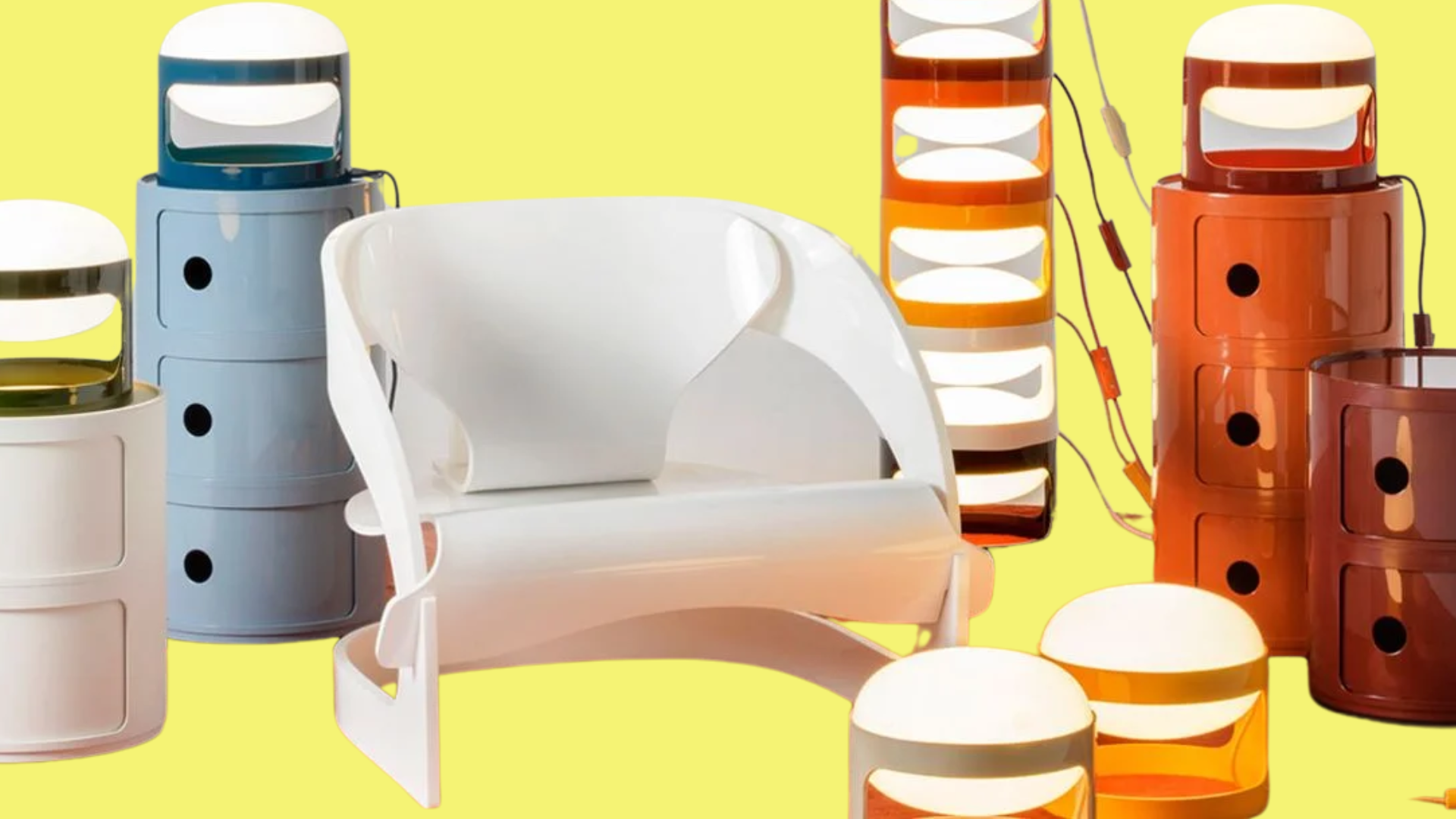
The Inside Kartell series is split into four parts, each examining this Milanese design icon through a different lens its storytelling, history, consumer, and my own strategic reading of the brand.
This is a deep dive into a brand that stands out even in the capital of world design. Kartell’s presence, both cultural and visual, has long shaped our perception of modern interiors, materiality, and everyday objects. It is also deeply personal. Kartell is one of the reasons I chose to pursue a Master’s focused on design, and to do so in Milano. It felt only natural to begin Logic of Lifestyle with a brand that sits at the intersection of design, culture, and lived experience.
Kartell, founded in 1949 in Milan by engineer Giulio Castelli, has evolved from a pioneering plastics workshop into an Italian design icon with global reach. Over 70 years later, Kartell stands at a fascinating crossroads of heritage and innovation. This first installment of our "Inside Kartell" series explores how the brand exists today — blending mid-century legacy with 21st-century trend-savvy — setting the stage for what’s to come in the next chapter.
A Legacy Molded in Innovation
From the outset, Kartell’s identity has been shaped by material innovation and bold design. It was among the first to introduce plastic into furniture, ultimately revolutionising modern interiors. Under Claudio Luti, Castelli’s son-in-law, Kartell pursued collaborations with star designers such as Philippe Starck, Patricia Urquiola, and Vico Magistretti. The results were groundbreaking products that became emblematic of Made in Italy design — often marrying cutting-edge technology with playful aesthetics.
One famous example is the Louis Ghost chair by Philippe Starck, a Louis XV-style armchair reimagined in transparent polycarbonate. Debuting in 2002, it pushed manufacturing limits as “the world’s bravest example of the injection of polycarbonate in a single mould.” Kartell’s FL/Y pendant lamp by Ferruccio Laviani captures this ethos too: a simple dome shape whose crystal-clear plastic and vivid colors evoke a floating soap bubble.
Kartell’s innovation isn’t just about style; it extends to sustainability and tech-forward design. The company launched its “Kartell loves the planet” manifesto, switching to recycled and bio-based plastics for classics like the Componibili storage unit. Designed by Anna Castelli Ferrieri in 1967, the Componibili is a timeless bestseller and key to Kartell’s identity.
Kartell even embraced AI in design: Starck’s experimental A.I. chair (2019) was the first seat conceived with AI algorithms. The 2025 Lillybet chair merged a classic refined shape with AI-generated floral jacquard fabric. The result? A brand that fuses its legacy with future-facing technology.
Design Icons, Loved Anew
Kartell’s catalog is filled with contemporary design classics. Pieces like the Componibili, Ghost Chair, and FL/Y lamp transcend trends. Today, they’re finding fresh life with younger generations.
As nss magazine noted, "Among the few legacy brands to never lose relevance, Kartell continues to thrive by adapting to contemporary tastes." These iconic designs have resurfaced in the homes of creatives and digital artists, often reinterpreted with irony and pop references.
“For Gen Z, Kartell is a heritage to play with, a cult piece to display in a minimal room or subvert in a street-style context.”
Millennials and Gen Zs use the Componibili in dorm rooms and apartments — as nightstands, vanity storage, or nostalgic decor. The Ghost Chair and FL/Y lamp often appear in TikTok apartment hauls and Pinterest moodboards. The result? Timeless forms recontextualized by a generation fluent in aesthetic remix.
On the Global Stage: Salone del Mobile Highlights
2024 – "KartellMilano. Urban Horizons"
Kartell’s 2024 Salone booth recreated the Milan skyline. The facade mirrored Milan landmarks, while the interiors showcased new products in architectural "buildings."
Highlights included:
Aalan modular sofas by Patricia Urquiola
Belvedere chair by Ludovica + Roberto Palomba
Albert table, a reimagined 18th-century French antique
Expanded A.I. collection by Philippe Starck
Jewel table and Pumo lamp by Fabio Novembre
Kartell blended tradition and innovation through straw textures, aluminum, crystal-clear finishes, and digital design methods.
2025 – "Future Perspectives (in Red)"
In 2025, Kartell returned to Salone with a red-drenched booth themed around energy, passion, and legacy. New launches included:
Plush living room seating by Urquiola
New iteration of the Belvedere chair
Camomille lamp by Starck (shaped like a teapot)
The AI-generated floral-upholstered Lillybet chair
Even the beloved Componibili got a reintroduction in updated form.
Kartell also surprised at Milan Design Week 2025 by partnering with Fiat. The Grande Panda Kartell concept car combined sustainable Kartell plastics, playful details like a mini FL/Y lamp, and colorful interiors. The message: Kartell’s design DNA lives beyond furniture.
Bridging Heritage and Trends
Kartell has mastered the balance between legacy and future. It preserves its archive while encouraging reinterpretation. The company keeps bestsellers like the Componibili and Ghost Chair in production, offering fresh colors and eco-materials.
Recent collaborations show its range: streetwear brand N°21 turned its couture shoe into a collectible Kartell piece; Inter Milan worked with Kartell to outfit VIP lounges in club colors.
These aren't just stunts. They're proof that Kartell stays flexible and curious, ready to let design speak new languages.
“More than just a moment in Milan, the Fiat Grande Panda Kartell celebrates heritage while pushing boldly into the future.”
Coming Next: Kartell & the Trends
In Part II, we’ll explore how Kartell plays with contemporary design movements:
Why Kartell works with Japandy minimalism and Pop-of-Red energy
How Gen Z treats Kartell as both design heritage and ironic statement
What it means for a legacy brand to speak fluently across generations
Stay tuned — the logic of lifestyle continues.
